
eCommerce, UX Research, UX/UI
Bringing a luxury shopping experience to the screen
David Rosas is a luxury retailer that, like many other traditional industries, decided to bring its commerce to the online world during the 2020 pandemic. Their customers deeply value a good shopping experience and impeccable customer service, so the challenge was to bring these values to the virtual shop window.
The challenge
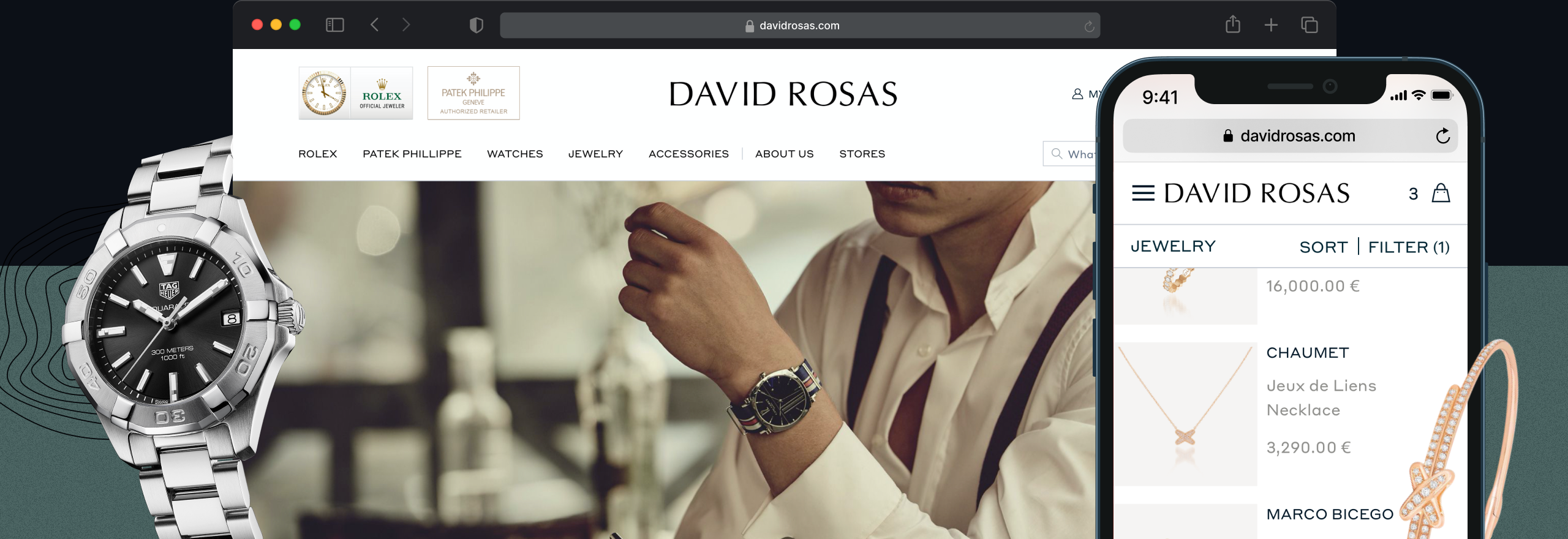
David Rosas, a five-generation luxury jewelry shop that prides itself on great long-lasting customer service. The 2020 pandemic accelerated many traditional businesses into transitioning to the era of digital commerce. However, digital experiences greatly differ from in-person visits to the store, especially on luxury stores where the customer expects particular attention and care.
No one seemed more qualified to help understand what really sets a shopping experience apart than the people working in the stores, experiencing firsthand the needs and concerns of these customers. This resulted in a couple of visits to the stores to perform a few interviews.
Luxury in the digital world
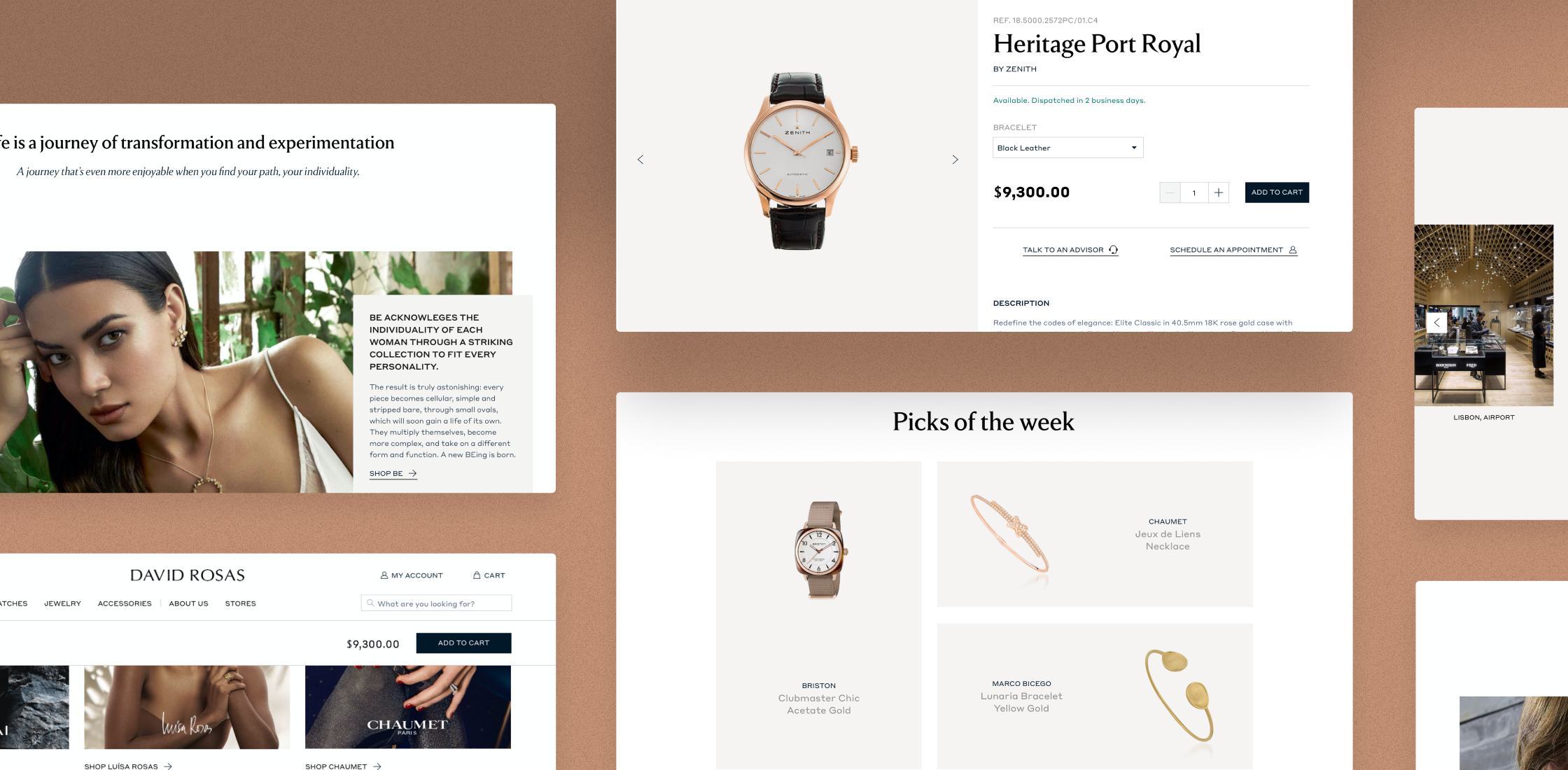
From both the interviews and an ongoing discussion with David Rosa’s sales and management team, I was able to best understand what their average customer was looking for: a story behind the products, collections, and the brand.
One important piece of information gathered from this exercise was the role that customer service plays in the client’s sales funnel, which seemed bigger than on a typical retail eCommerce website. Being a luxury brand, their customers deeply valued the opinion of informed advisors being available during all the steps of their shopping experience.
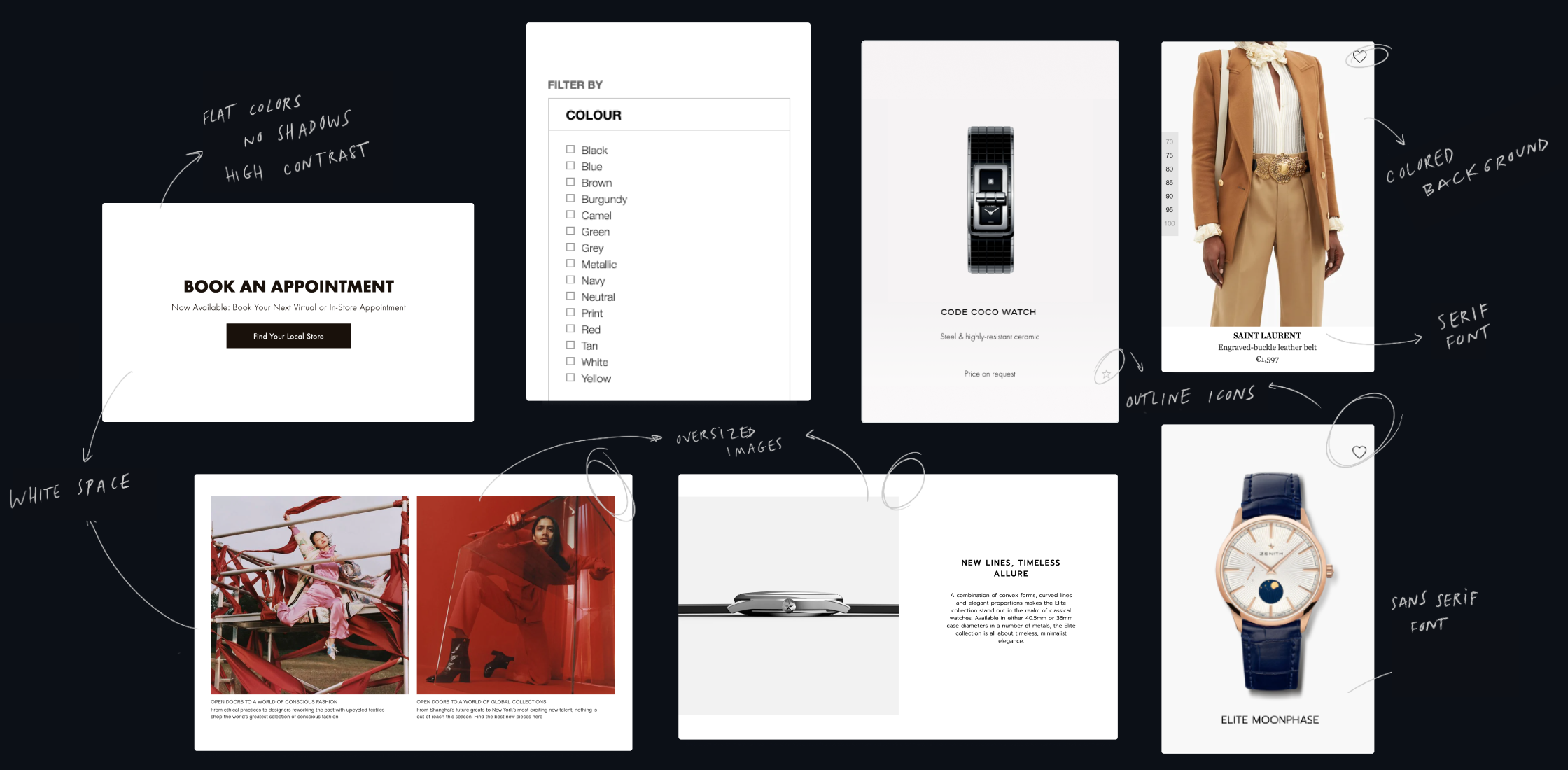
The next step towards understanding how luxury could be brought onto the screen was a benchmark focused on the type of visual design these brands usually have. This was also the starting point to craft a design strategy driven by demand, storytelling, and quality.
A virtual shop window
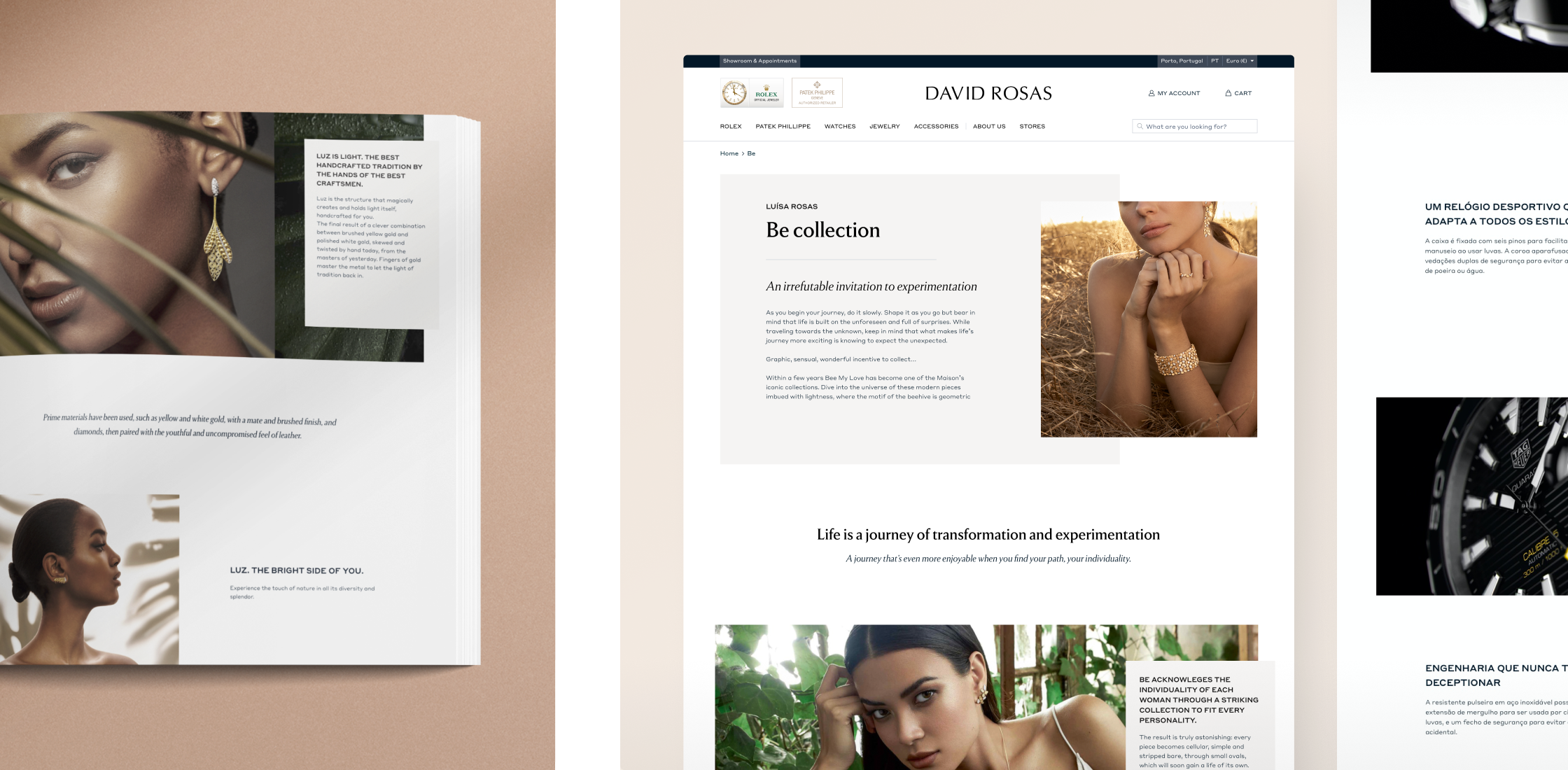
The homepage is a virtual shop window. People see something on a shop window that piques their interest and that’s what brings them to the store. That was the focus of the homepage's look & feel, to invite the customer in and explore the rest of the store.
David Rosas's new look & feel considers both the luxury industry standards but also what customers are accustomed to seeing in an online world.
Modularity & Scalability
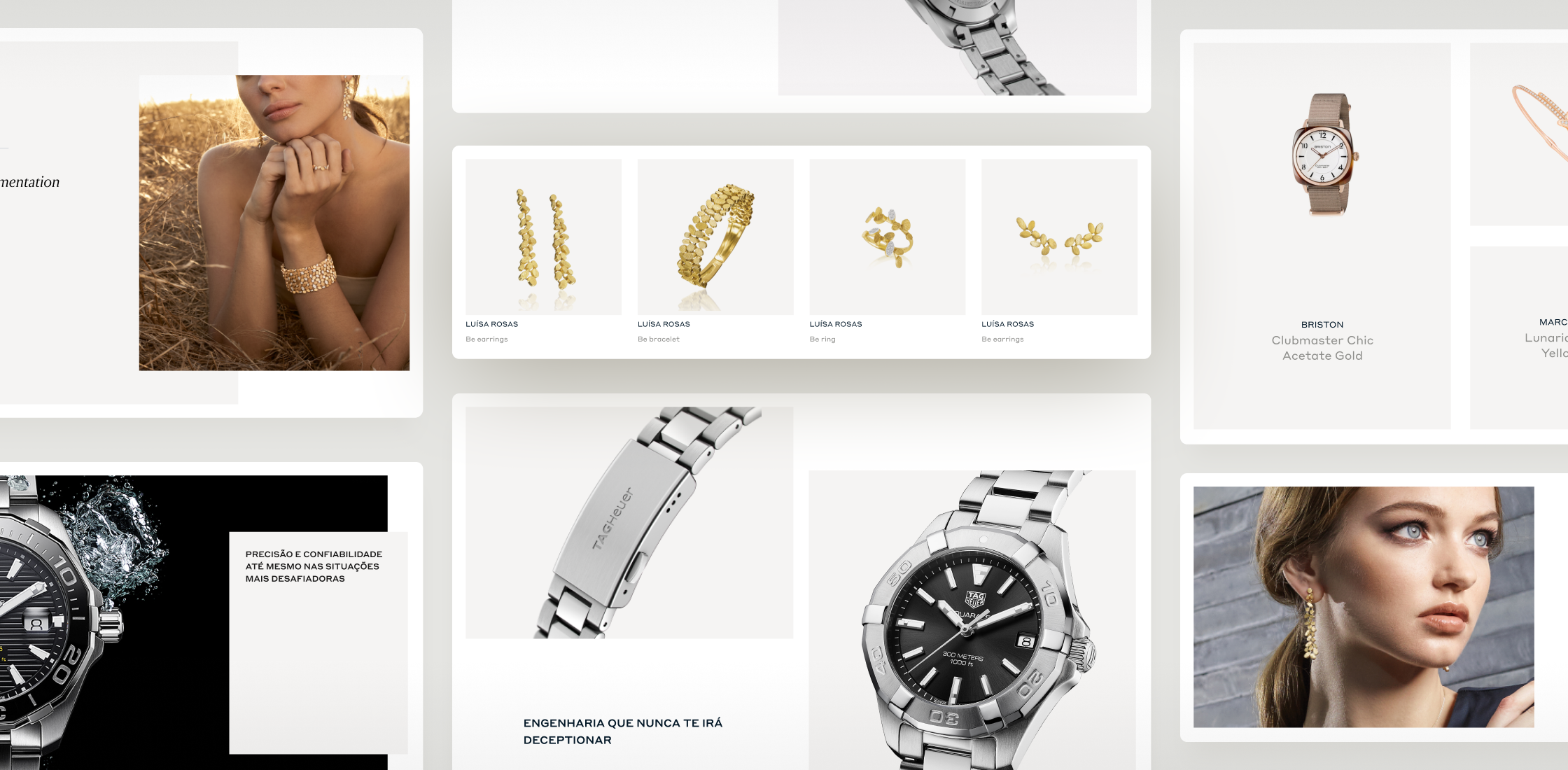
This website was designed in a way that embraces modularity. The focus was on having easily recognizable patterns so the users would never feel lost while having a Design System that can be easily scalable to fit the needs of the client to create unique pages that adapt to the many brands they work with.
This modularity can be seen on pages such as the Collection Page, or the Article Page, which take modules from a variety of pre-designed components that are cohesive while allowing flexibility to display different types of content.

"We’re quite happy with the final result. They’re a creative, structured, and focused team we enjoyed working with.”
-Luísa Rosas, CEO at Luísa Rosas, Lda
The result
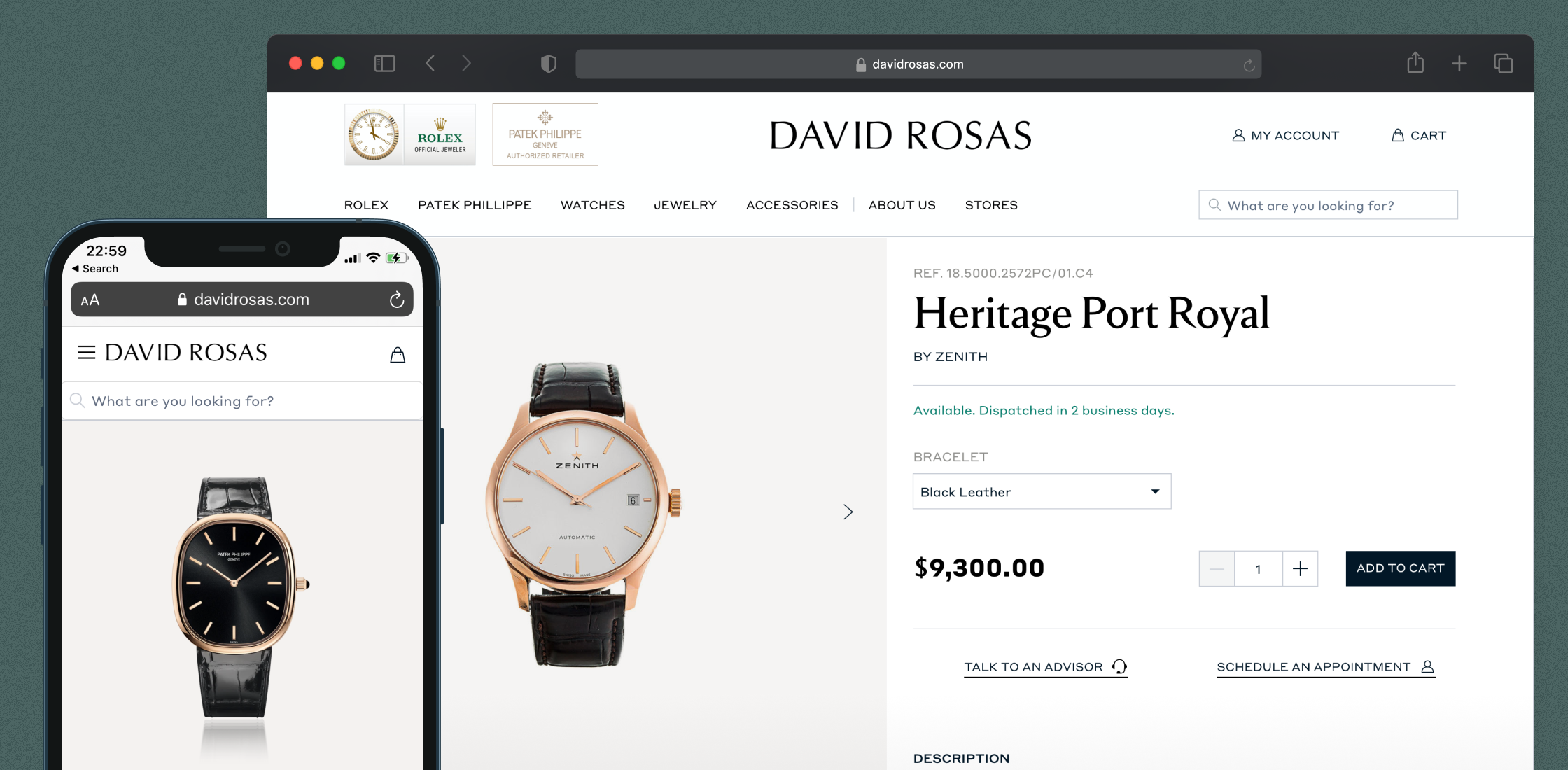
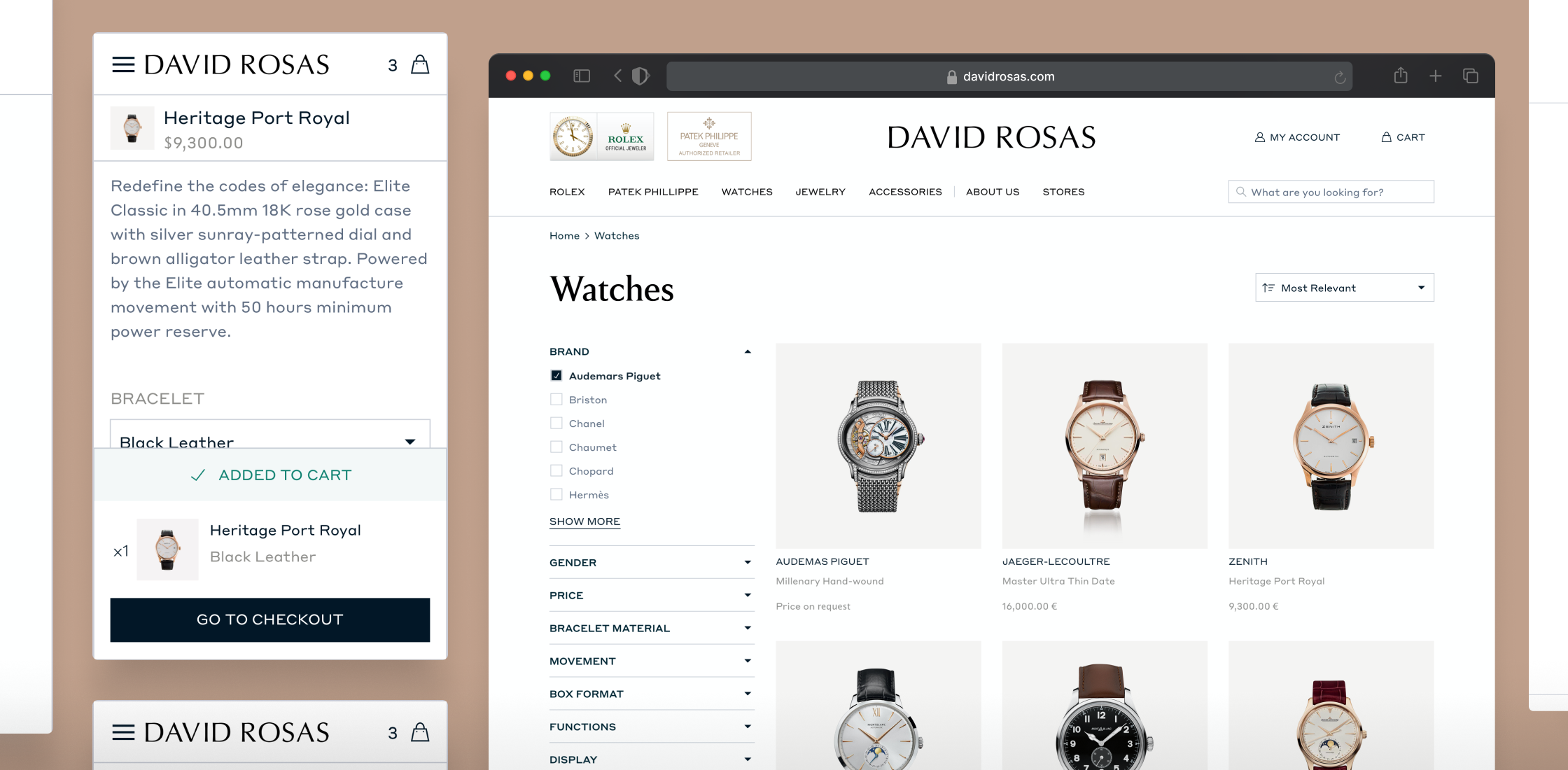
David Rosas was able to launch an enhanced version of their existing website. Their website shows the potential for eCommerce businesses when combining theme-based solutions like Shopify with a top-notch custom design.
Summing it up
The belief that luxury clients won't buy "expensive" things online, has proven wrong in the past years. This marked an important step in the history of Luxury — for the first time we started seeing traditional companies bringing in-store experiences to the digital side. David Rosas is one of those companies, bringing luxury to the new digital